Why Brisbane Continues To Attract Commercial Property Developers
Ten years ago, Brisbane was often viewed as the quieter cousin to Sydney and Melbourne. That perception has shifted. Cranes now feature regularly across the skyline, interstate investors are shifting capital north and long-term landowners are reconsidering what their sites might be worth under new planning controls.
Behind this shift sits a mix of population growth, infrastructure investment and a major international event on the horizon. For anyone involved in property development in Brisbane, understanding what is driving this activity helps make sense of where the opportunities are heading next.
Brisbane's Growing Reputation for Commercial Investment
Brisbane has moved from a secondary market to a genuine contender for commercial capital. Interstate and international investors are increasingly comparing yields, vacancy rates and growth forecasts against Sydney and Melbourne, and Brisbane is holding its own.
A few factors support this reputation:
- Comparatively affordable land and construction costs against southern capitals
- Lower office vacancy rates in several CBD and fringe precincts
- A diversifying economy that is no longer solely dependent on resources
- Steady rental growth across industrial, retail and office assets
This combination gives developers more confidence when assessing feasibility on new sites, particularly for mixed-use and commercial projects that need to perform over a longer investment horizon.
Population Growth Fuelling Demand for Commercial Space
South East Queensland is one of the fastest growing regions in the country, and Brisbane sits at its centre. Interstate migration, overseas arrivals and natural population increase are all contributing to sustained demand for workplaces, retail precincts and service-based commercial space.
This growth is translating into tangible development opportunities:
- Demand for office space closer to where people are choosing to live, not just the CBD
- Increased need for local retail and health services in growth corridors
- Pressure on industrial land as logistics and last-mile delivery networks expand
- Greater appetite for mixed-use precincts combining commercial, retail and residential uses
For developers, this means population data is no longer a background statistic. It is directly shaping site selection and the type of commercial product being brought to market.
Infrastructure Projects Reshaping the City
Major infrastructure spending has a habit of changing how a city functions, and Brisbane is currently in the middle of one of its most significant infrastructure cycles. Cross River Rail, Brisbane Metro and various road and public transport upgrades are altering accessibility across the city.
These projects are influencing development activity in a few clear ways:
- New rail and metro stations are creating fresh commercial precincts around transport nodes
- Improved connectivity is widening the radius of suburbs considered viable for commercial investment
- Government investment is often followed by private sector confidence in surrounding areas
- Upgraded transport links are supporting industrial and logistics growth on the city fringe
Developers who track these projects early tend to be better positioned when precincts around new stations or corridors begin to attract commercial interest.
The 2032 Olympics and Its Ripple Effect on Development
The announcement of the 2032 Olympic and Paralympic Games has added a further layer of momentum to Brisbane's development pipeline. While the Games themselves are still some years away, the associated planning and investment are already influencing decisions being made today.
Some of the flow-on effects include:
- Accelerated timelines for transport and venue-related infrastructure
- Renewed focus on precinct planning around key Olympic sites
- Increased interstate and international interest in Brisbane as a long-term growth market
- A stronger case for hotel, hospitality and mixed-use commercial development
It is worth noting that Olympic-related infrastructure is one factor among several, rather than the sole driver of Brisbane's growth. Even so, it has brought forward planning conversations that might otherwise have taken longer to materialise.
Property Development in Brisbane: A Snapshot of Current Activity
Property development in Brisbane currently spans a broad range of asset classes, from office towers and industrial estates to retail centres and mixed-use precincts. Activity is not confined to the CBD. Fringe suburbs and growth corridors are increasingly part of the conversation.
Current trends worth noting include:
- Continued conversion or redevelopment of ageing commercial stock
- Growth in industrial and logistics facilities near key transport routes
- Expansion of health and education-related commercial space
- Ongoing interest in build-to-rent and mixed-use models
This spread of activity reflects a market that is maturing rather than relying on a single sector to carry growth.
Precincts and Suburbs Attracting Developer Interest
Beyond the CBD, several Brisbane precincts are attracting sustained developer attention. Areas such as Fortitude Valley, South Brisbane, Bowen Hills and parts of the northern and southern growth corridors are seeing renewed commercial interest.
Common characteristics of these precincts include:
- Proximity to existing or planned transport infrastructure
- Local council planning schemes that support higher density or mixed-use outcomes
- A mix of established businesses and new residential growth nearby
- Land values that still allow for reasonable development feasibility
Understanding council planning frameworks in these areas is often the difference between a straightforward approval process and a drawn-out one.
Sustainable and Mixed-Use Development Trends
Sustainability is no longer a secondary consideration in commercial development. Tenants, investors and local councils are increasingly expecting buildings that perform well environmentally and financially.
Relevant trends include:
- Growing tenant demand for energy-efficient office and industrial buildings
- Council incentives in some precincts for sustainable design outcomes
- Increased use of mixed-use models that combine commercial, retail and residential uses on one site
- Longer-term investor preference for assets with credible sustainability credentials
These trends are shaping design briefs from the earliest stages of a project, rather than being addressed as an afterthought.
Supporting Developers Through the Planning and Delivery Process
Successful commercial development in Brisbane depends on more than identifying the right site. Feasibility studies, planning approvals, construction management and stakeholder engagement all need to align for a project to move from concept to completion.
Services that support this process typically include:
- Site feasibility and due diligence assessment
- Town planning and development approval management
- Project and construction management
- Stakeholder liaison with councils, government bodies and local communities
Developers who bring experienced advice into these stages early tend to avoid costly delays later in the project timeline.
Let's Discuss Your Project
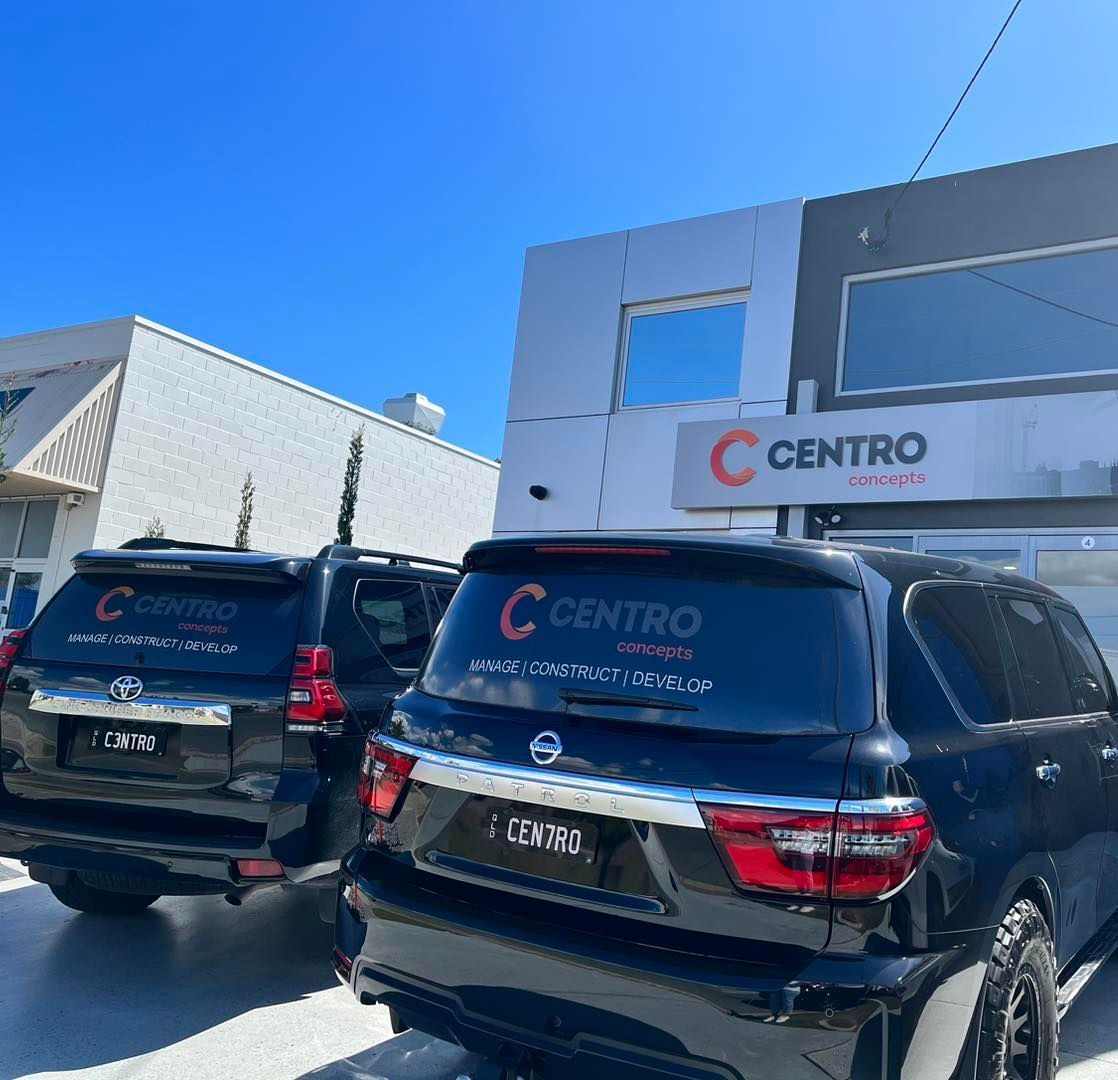
We at Centro Concepts work with developers, investors and landowners who are considering commercial opportunities across Brisbane and South East Queensland. Whether you are assessing a site's feasibility, navigating council planning requirements or looking for support through construction and delivery, our team is available to talk through your project.
If you are exploring property development in Brisbane and want to understand how current market conditions might affect your plans, get in touch with our team for a conversation about your site or project.
Frequently Asked Questions
Why is Brisbane attracting more commercial property development compared to other Australian cities?
Brisbane offers a combination of comparatively affordable land, steady population growth and significant infrastructure investment. These factors are giving developers more confidence in feasibility outcomes compared to some southern capital city markets.
How does population growth affect commercial property opportunities in Brisbane?
Population growth increases demand for office, retail and industrial space, particularly in growth corridors outside the CBD. This is encouraging developers to look beyond traditional precincts when assessing new sites.
What role is the 2032 Olympics playing in Brisbane's development pipeline?
The Games have accelerated planning conversations around transport and precinct infrastructure. While not the only factor driving growth, they have brought forward investment decisions that support broader commercial development.
What should developers consider before starting a commercial project in Brisbane?
Site feasibility, council planning requirements and access to transport infrastructure are key considerations. Early engagement with planning and construction advisors can help avoid delays later in the project.