What Are the Stages Of A Commercial Property Development Project?
Commercial projects around Brisbane and the Gold Coast often move at a pace that surprises first-time developers. There’s excitement at every turn, but also plenty of pressure to make decisions that hold up months or years down the line. When we talk about property development in Brisbane, we’re really talking about a process built on rhythm, timing and good judgement. If you understand how each stage flows into the next, you give your project a much cleaner run from concept to completion.
Below, we walk through the stages we see shaping commercial developments across South-East Queensland, with a close look at the details that matter most in this region.
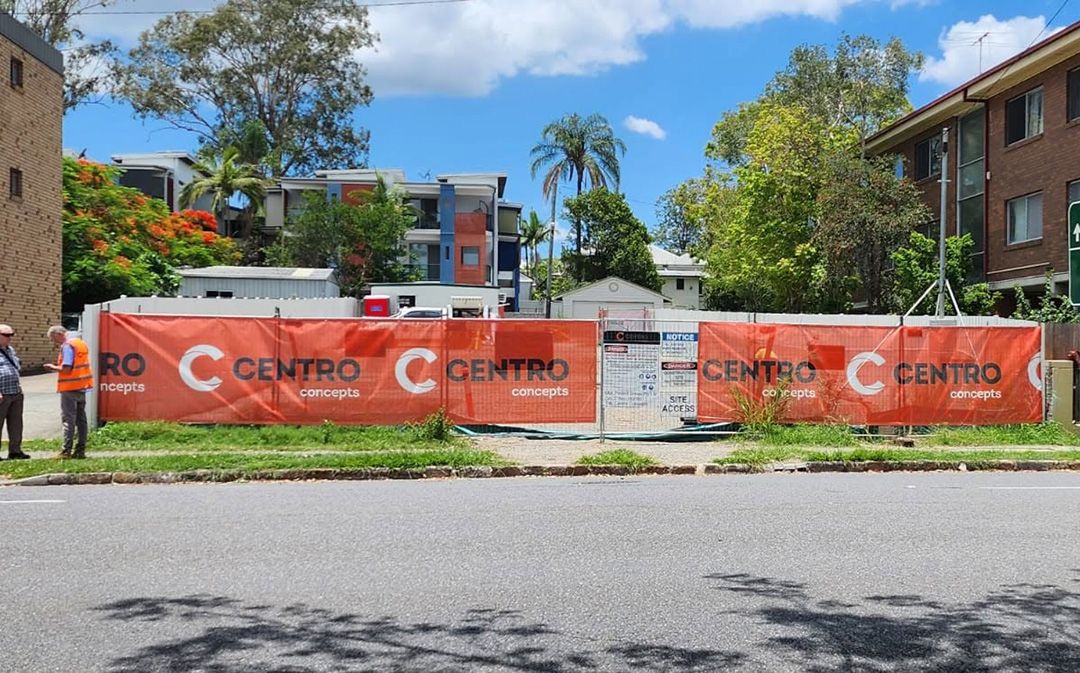
Choosing a Site that Actually Works
Finding a site is a bit like scouting ahead for the rest of the project. A block might look perfect when you first step onto it, then fall apart once you dig into zoning, flood overlays or access points. Brisbane and the Gold Coast each have their own quirks. In some pockets, council height limits shape what you can achieve. In others, traffic impacts or service upgrades become the sticking point.
Start by checking zoning and future land use plans. You want to know if the council expects more commercial activity in that corridor or if they’re shifting growth elsewhere. It’s also a good idea to look at infrastructure. Something as small as a stormwater easement can reshape your entire layout if you don’t catch it early.
Once those basics are locked in, it’s time to carry out feasibility work. This is where projected costs, rents, yields and risks sit together in one place. When the numbers support the concept, the project has room to grow without putting pressure on the later stages.
Building a Strategy that Anchors the Project
After choosing a site, the next step is building a strategy that ties the entire project together. This isn’t a dusty document that gets dragged out at investor meetings. It’s a working plan that guides decisions as the development progresses.
You’ll map out the design intent, budget boundaries, tenancy goals and timelines, then pressure-test those ideas against local market behaviour. Brisbane’s commercial scene is expanding in pockets that didn’t get much attention ten years ago, while the Gold Coast continues to blend tourism-focused hubs with evolving business districts. Those shifts influence tenant demand, which influences design choices.
Investors usually respond well when a strategy feels grounded in real data instead of grand promises. When they can see how each decision supports long-term value, it’s a lot easier for them to back a project early.
Turning Early Ideas into Working Designs
Once the strategy feels solid, it’s best to bring in architects, planners and engineers to start shaping the actual building. This is where the project begins to feel real. You’ll look at the flow of people through the space, the most efficient way to handle services, the sustainability features that can make the building cheaper to operate and the general character of the design.
Queensland’s climate plays a huge role here. Good shading, cross-ventilation and solar planning aren’t just sustainability add-ons in this region. They also appeal to councils that favour developments with strong environmental outcomes. Small design choices often pay off in the long term, as they can lead to lower operating costs, which many tenants appreciate.
This stage also involves plenty of coordination. The architect might want a certain façade shape that clashes with structural requirements, or the services engineer might spot a more efficient position for risers. Sorting those differences out early avoids headaches during construction.
Working Through Council Approvals
Approvals tend to intimidate newer developers, but they don’t have to. Councils in Brisbane and the Gold Coast each have their own planning frameworks, so understanding what they care about makes a huge difference. We look at overlays, potential traffic impacts and the planning outcomes the development needs to satisfy.
Once the application is lodged, we keep communication open. If the council sends through information requests, our goal is to answer clearly without reshaping the project into something that loses commercial strength. When the documentation is tidy and the logic behind the design is clear, the process moves along without unnecessary delays.
Building approvals follow. These focus on compliance with the NCC. It might feel like box-ticking, but this step protects the structural integrity, fire safety and accessibility of the final build.
Choosing Construction Partners You Can Trust on Site
Once the council signs off, the attention shifts to construction. Picking a builder is one of the most significant choices developers make. Price matters, but experience across commercial builds matters more. Look for builders with strong subcontractor networks, steady supply chains and a history of delivering comparable projects.
During tender reviews, it’s a good idea to refine materials, construction methods and services to create a cost pathway that suits the project’s goals. Market conditions across Queensland can shift quickly, so transparency around costs and lead times helps you stay ahead of potential surprises.
When the builder is appointed, you can conduct pre-construction coordination, so the site team knows exactly what the design requires.
Keeping Construction on Track Day After Day
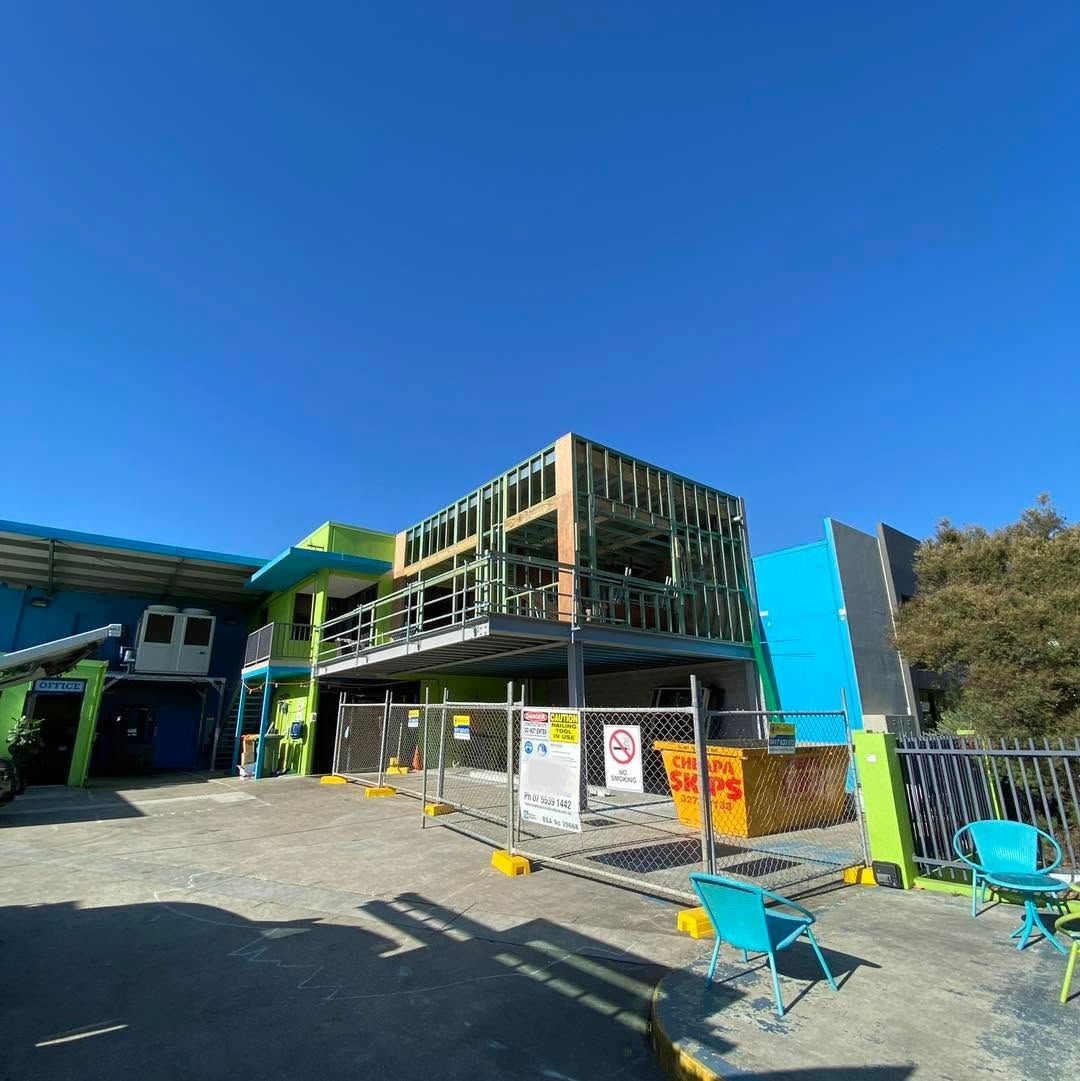
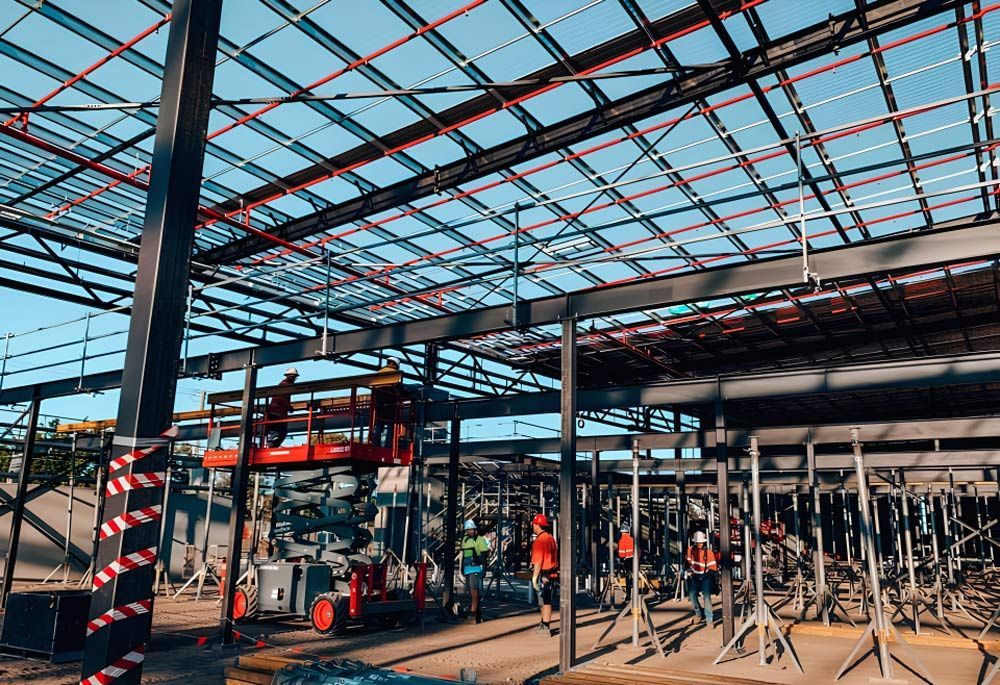
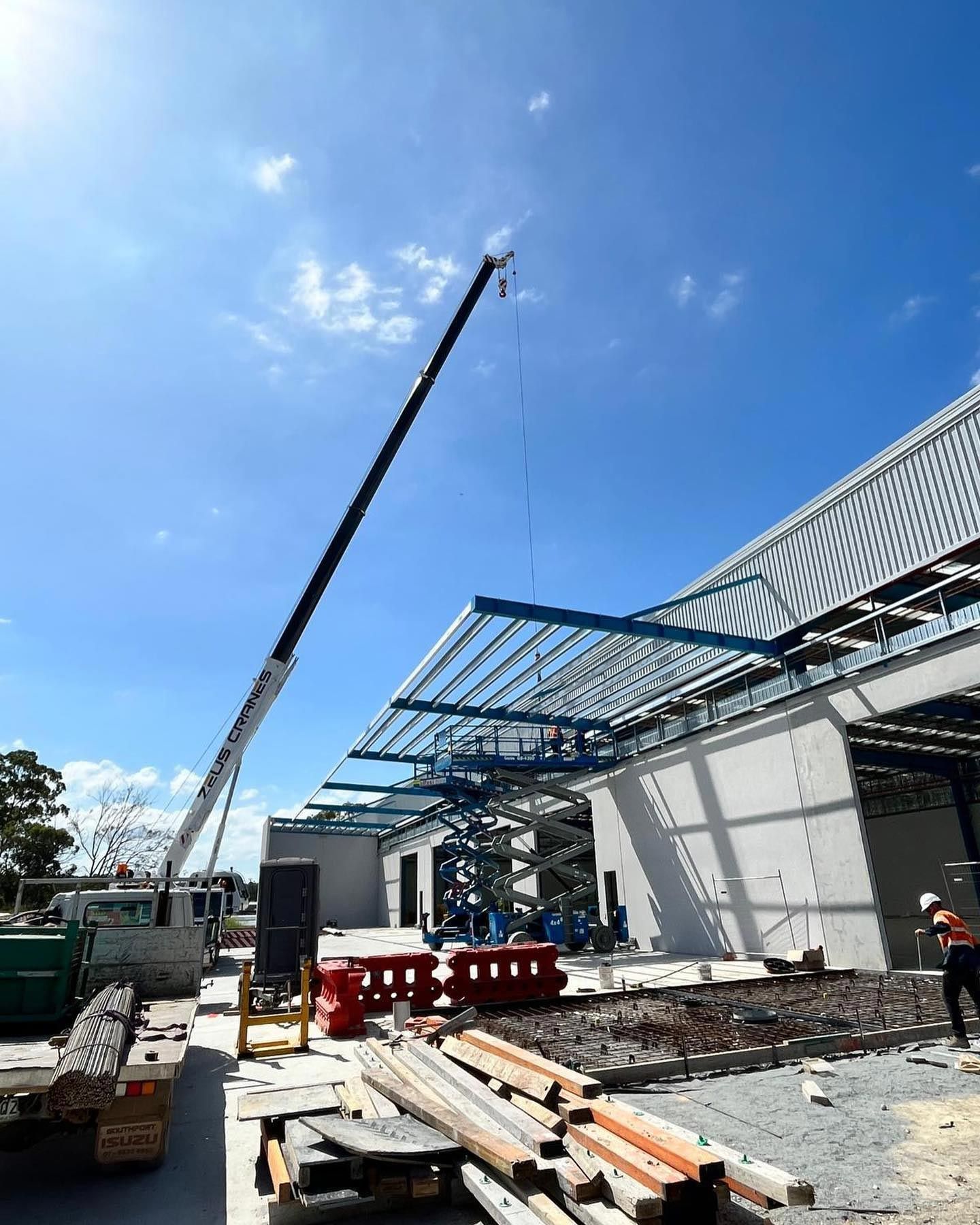
Construction brings its own rhythm. Some weeks fly, then a small issue slows everything. Wet weather can hit the Gold Coast harder than nearby suburbs. Lead times for key materials can shift unexpectedly. A good project team stays flexible without drifting away from the original brief.
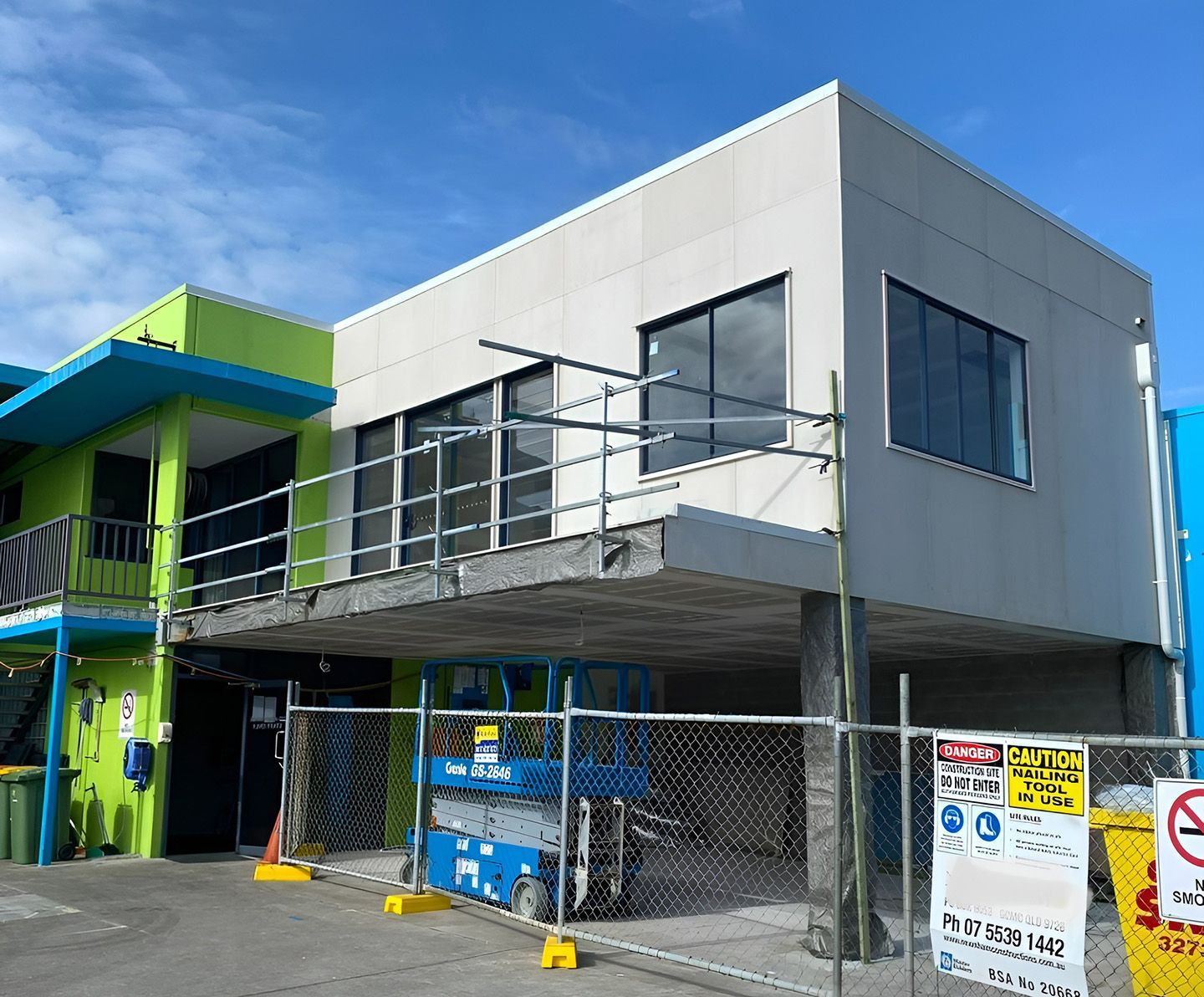
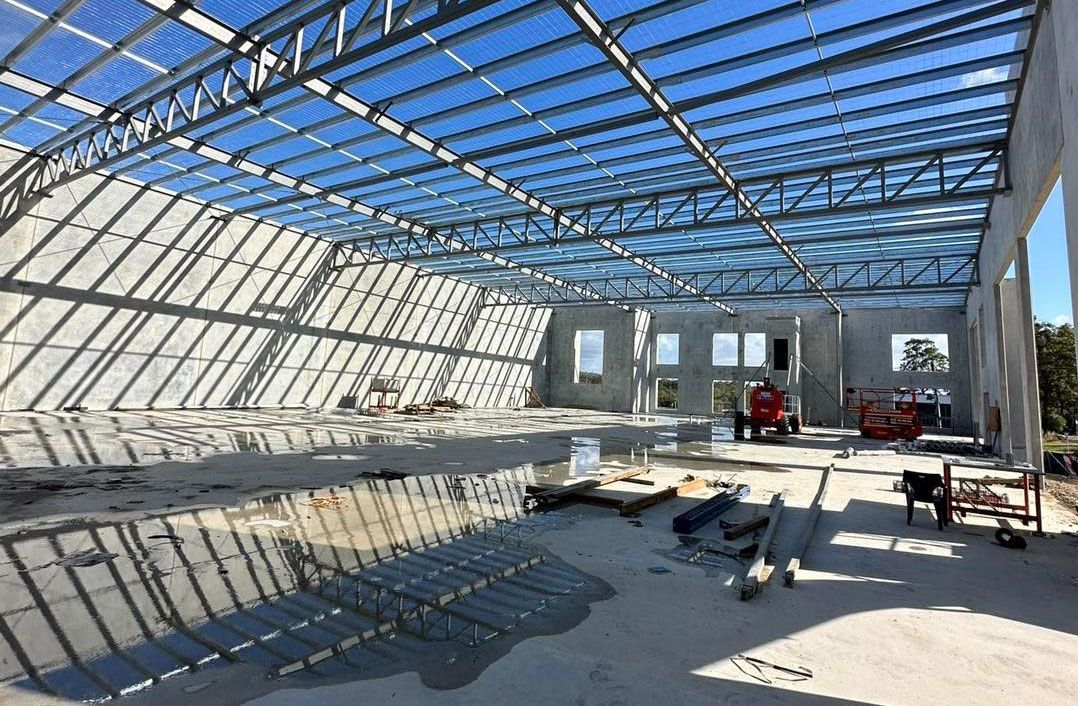
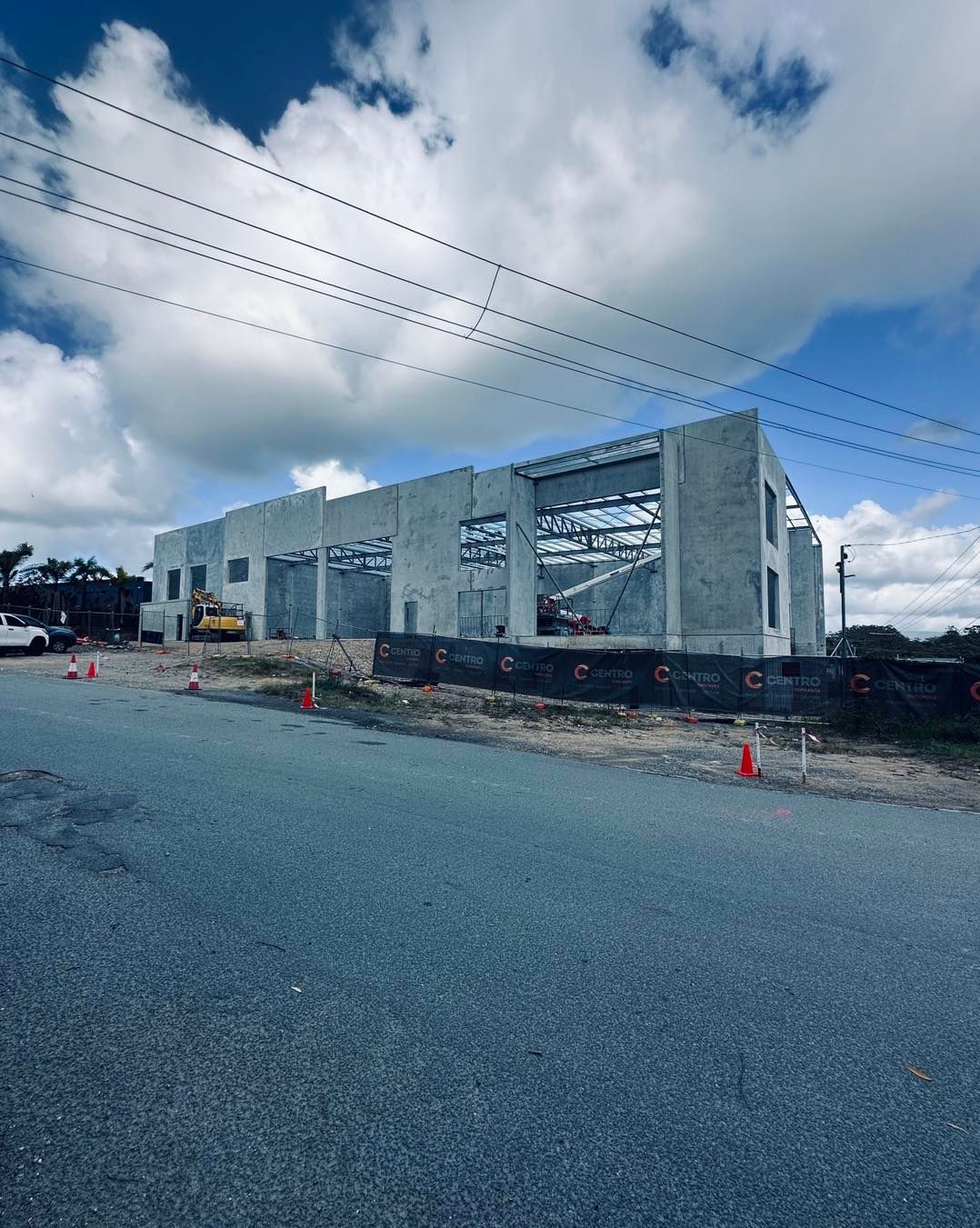
You’ll be on site regularly during this stage, reviewing structure, services, external works and fit-outs. Most issues can be fixed quickly when you’re watching the details closely. When a trade needs clarification or a drawing raises questions, sorting it out early helps maintain momentum.
As the building takes shape, we start preparing for commissioning: mechanical testing, fire checks, and final finishes. A clean commissioning phase leads to a smooth transition to occupancy, which helps investors and tenants settle in without fuss.
Stepping into Handover & Early Operations
Handover isn’t just a ceremonial moment with a set of keys. It’s the final stage where the building shifts from construction mode into daily operation. You review manuals, warranties, certifications and maintenance schedules, so the building starts off on the right foot.
Tenancy coordination also plays a big role here. Fit-outs need to align with building requirements, and good communication between the base build contractor and the tenants makes the early weeks far easier. The first year often includes light fine-tuning of services and access systems, so the building performs well for occupiers.
By this stage, you’ve usually circled back to the regional landscape of property development Brisbane, connecting the project’s journey to the broader conditions shaping commercial growth across Queensland.
Local Guidance for Every Stage
You should know by now firsthand how commercial projects across South-East Queensland grow stronger when the early decisions are grounded in local insight. At Centro Concepts, we help developers move from the first site walkthrough right through to handover across Brisbane and the Gold Coast. If you’re planning your next project and want a trusted partner to help navigate the stages of property development in Brisbane, reach out and let’s map out a clear path forward together.